5 Essential Tips for Stunning Landscape Photography
Capturing stunning landscape photos goes beyond simply picking up a camera and pressing the shutter button; it depends on various factors such as lighting, color, location, and photography techniques. In this article, we will explore the secrets to taking breathtaking and memorable landscape photographs.
Choose the Right Location
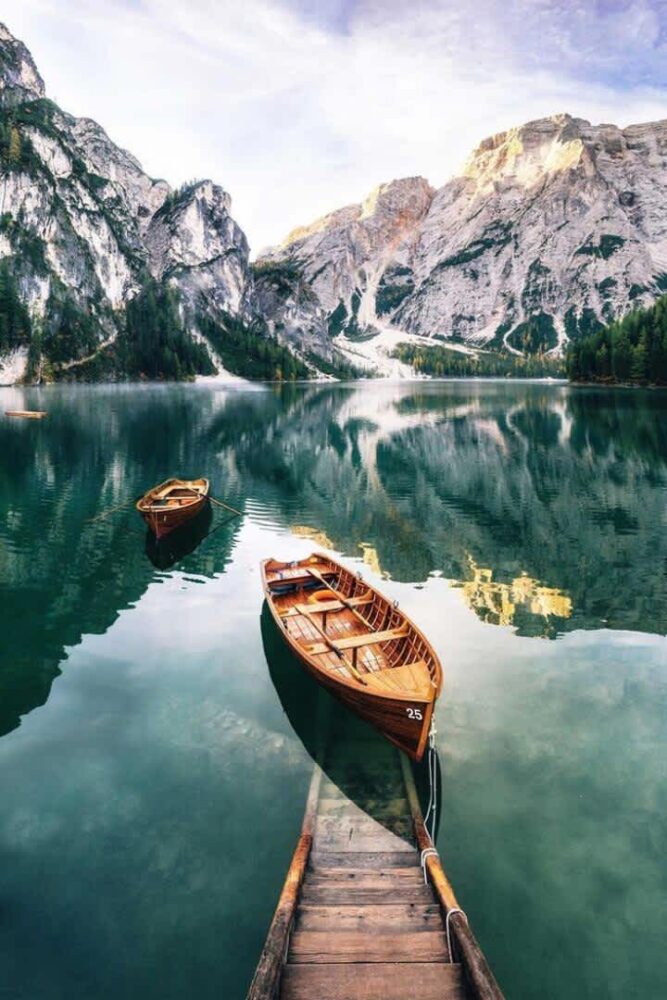 To create great landscape photos, you need to choose the right location. If you want to shoot nature, you can opt for places like forests, mountains, beaches, waterfalls, or parks. If you prefer urban landscapes, consider old quarters, skyscrapers, or unique architectural landmarks.
Utilize Lighting and Color
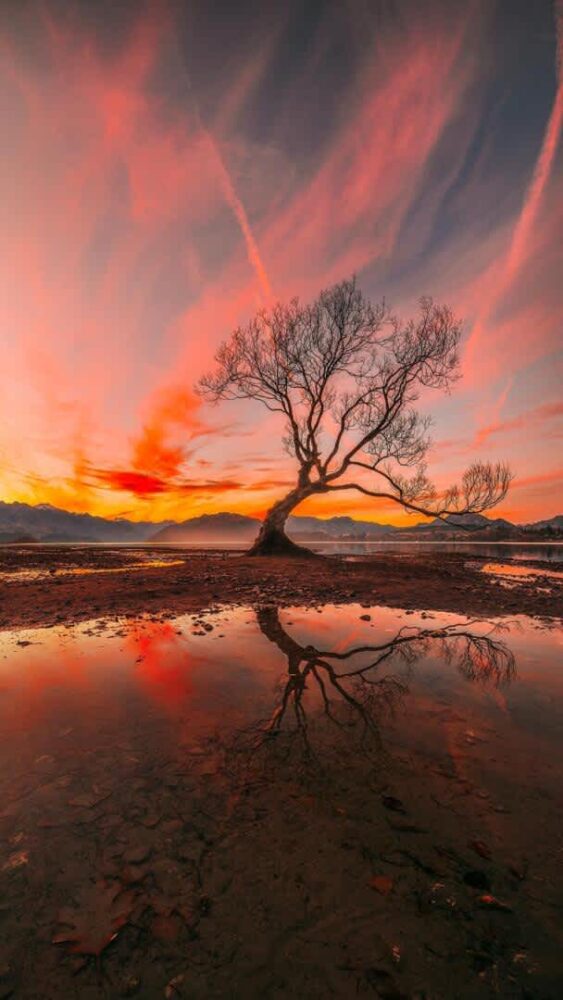 Lighting and color are crucial elements in creating compelling landscape photos. When shooting, you need to pick the right time of day to make the best use of light. For instance, shooting during early morning or sunset provides softer light, resulting in more flattering images. You should also choose colors that suit your subject—for example, emphasizing rich greens when photographing forests to enhance realism.
Leverage Photography Techniques
 Camera techniques also play a vital role in capturing great landscape shots. You can adjust exposure, aperture, shutter speed, and focal length to create unique effects and elevate your images. For example, using a wide aperture creates a blurred background effect, while a fast shutter speed lets you freeze the motion of passing wildlife or people.
Find the Right Angle
Camera angle is another key factor in producing striking landscape photos. Look for unique and unconventional perspectives to make your shots stand out. For instance, you can shoot from a high vantage point for a bird's-eye view, or from a low angle looking up for dramatic scale. 15 Ways to Take Great Photos with Your PhoneBalance Elements Within the Frame
 Great landscape photography requires visual balance
Balancing subjects within the frame is essential for great landscape photography. Try positioning your main subject near the center of the frame and using secondary elements to enhance visual appeal. For example, at a beach, you can place a swimmer in the middle of the frame and use the waves or shoreline to add aesthetic depth.