7 Infographic Design Principles You Should Know
Infographics have become a powerful tool for conveying information in an easily digestible and engaging way. However, to create an effective infographic, you need to follow fundamental design principles. In this article, we will explore 7 infographic design principles you should know to create unique and impactful designs.
Simple and Clear Infographic Design:
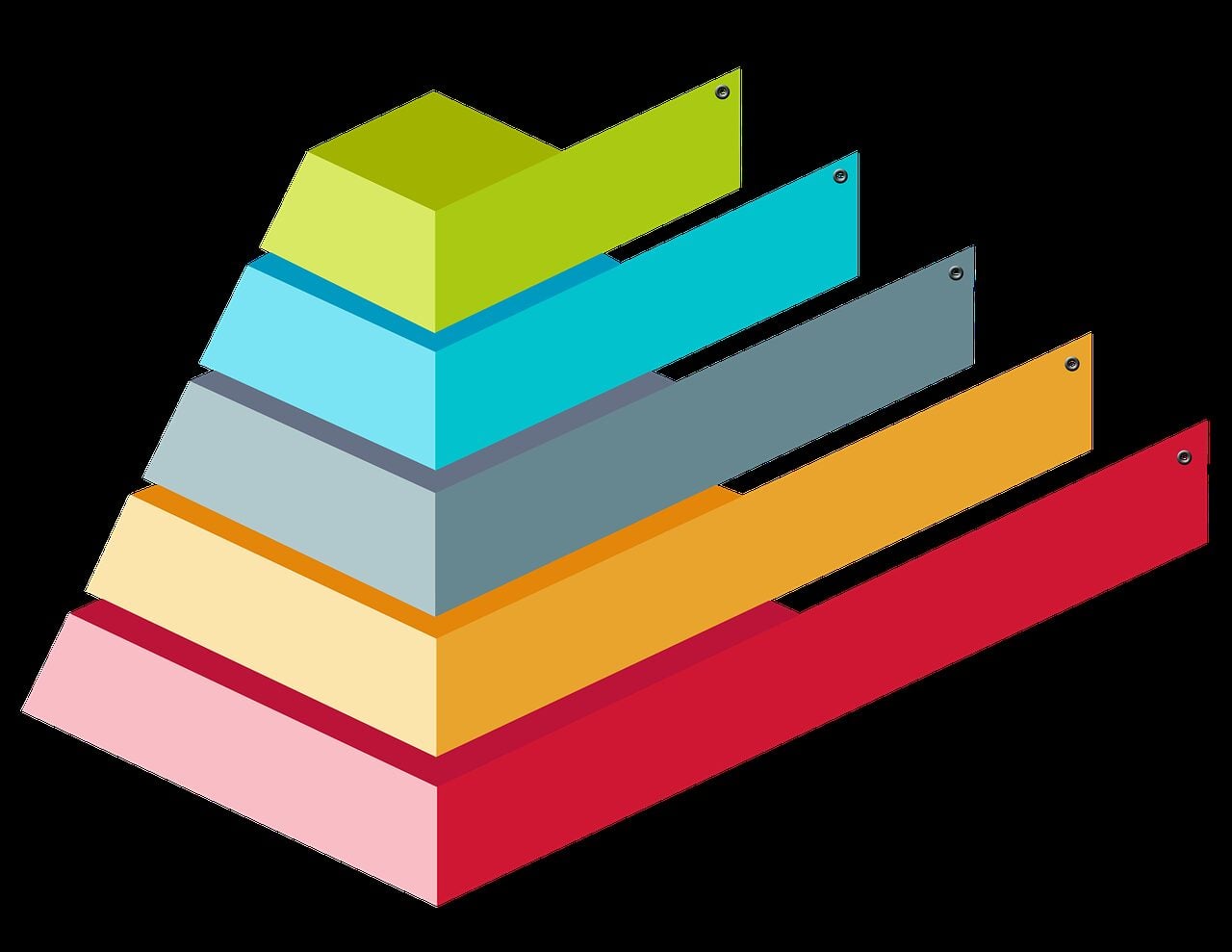 Simple and Clear Infographic Design
Infographic design should focus on simplicity and clarity so readers can easily understand the information without having to read too much. Avoid complexity and focus on the core message. Use visuals, charts, and concise wording to communicate information optimally.
Choose the Right Color Palette:
Color plays a crucial role in attracting attention and conveying meaning. Choose colors that align with the theme and message of your infographic. Use contrasting colors to highlight key elements and create balance between colors and other components.Use Images and Charts:
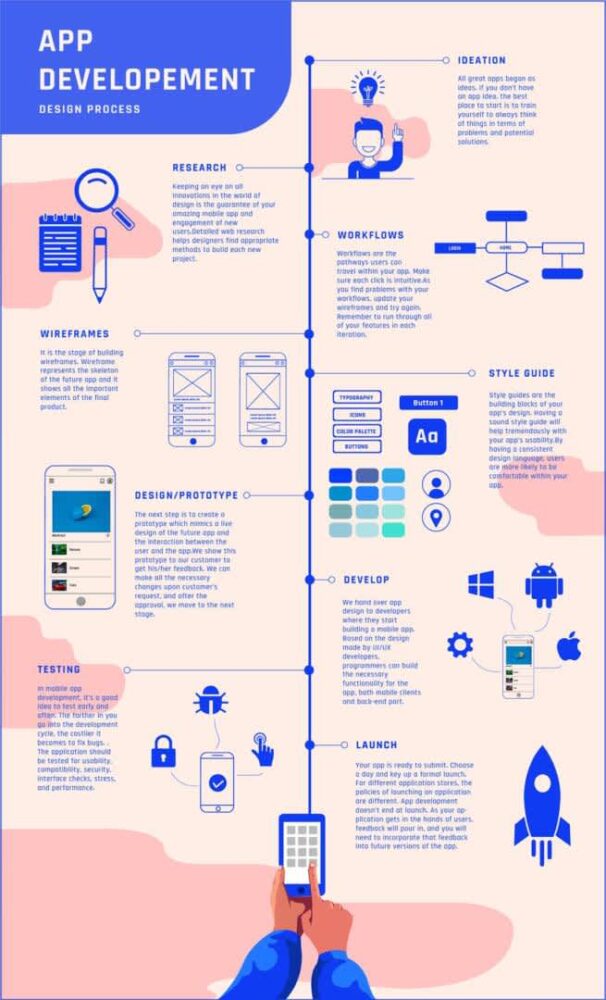 Images and charts are great ways to visualize information and help readers grasp it quickly. Use appropriate charts to present data and unique visuals to support your main points. Make sure the chosen images and charts are easy to understand and relevant to the content.
Arrange Information Logically:
Organize information in your infographic design in a logical and structured manner. Place key elements at the center and arrange surrounding components in an orderly way. Use headings, figures, and arrows to guide readers through the flow of information.Select Appropriate Fonts:
Typography can make a significant difference in infographic design. Choose fonts that are legible and suitable for the content. Avoid using too many different font styles to prevent confusion and maintain visual consistency.Create a Unique Focal Point for Your Infographic Design:
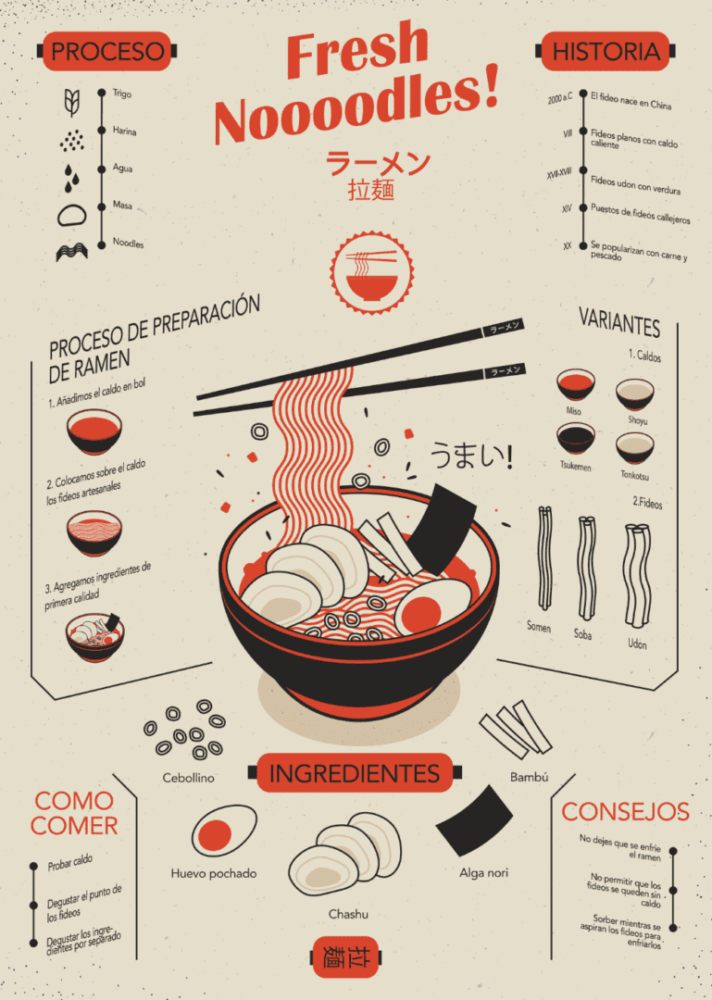 Create a Unique Focal Point for Your Infographic Design
When designing an infographic, you should include a unique focal point to capture the reader's attention. This could be a standout chart, a distinctive illustration, or an asymmetrical layout. Differentiate your design and create a memorable experience for viewers.