What Is Brand Positioning? 4 Essential Steps to Position Your Brand
Brand Positioning
 Defining unique value to capture customer attention
For any business, brand positioning is always one of the most critical factors in creating differentiation and helping a brand stand out in the market. However, brand positioning requires subtlety and attention to detail while ensuring alignment with the company's growth. In this article, we will explore what brand positioning is and the key elements needed to succeed in positioning your brand.
I. The Concept of Brand Positioning

Brand positioning is the process of defining a brand's place in the minds of customers relative to competitors in the market. The goal of brand positioning is to create differentiation from other brands by helping customers recognize and associate your brand with a unique value. This helps the brand stand out and attract customer interest.
II. 4 Essential Steps in Brand Positioning
To position a brand effectively, businesses need to follow these steps:
1. Identify your brand's product or service characteristics:
This helps the business clearly understand the advantages, strengths, and weaknesses of its products or services.
2. Understand customer needs:
Businesses must evaluate and deeply understand what customers need from their products or services. This helps identify the key factors customers expect and value most.
3. Deliver a breakthrough brand promise:
Businesses need to establish a compelling, transformative promise between the brand and its customers, creating unique value that sets them apart from competitors. This promise must be consistently upheld, accurately fulfilled, and continuously deliver value to customers.
4. Build a distinct identity:
To succeed in brand positioning, businesses must craft a unique identity that stands apart from other brands in the market. This makes it easy for customers to recognize and connect with your brand.
https://youtu.be/7ChFIVqG63Y
III. The Importance of Brand Positioning
Brand positioning plays a vital role in building a strong and sustainable brand in the market. It helps the brand stand out, attract customer interest, and create differentiation and unique value—ultimately boosting sales and driving business growth.
IV. Real-World Examples of Brand Positioning
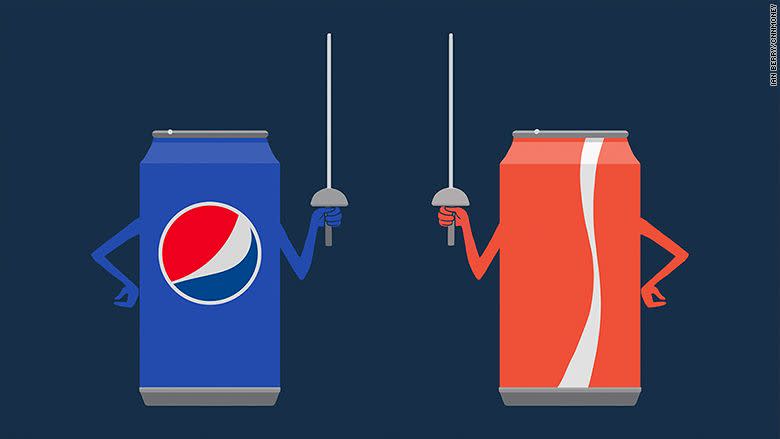 Coca-Cola and Pepsi are two globally renowned beverage brands. Both have adopted different brand positioning strategies to craft a unique image and attract their target audiences.
Coca-Cola is positioned as a classic, traditional soft drink brand that evokes familiarity, refreshment, and connection among people. Coca-Cola also reinforces its image as a brand that brings people together through memorable and meaningful advertising campaigns such as "Share a Coke" and "Taste the Feeling".
Meanwhile, Pepsi is positioned as a youthful and modern beverage brand targeting younger consumers. Pepsi focuses on promoting an image of creativity, boldness, and continuous innovation through dynamic, culturally relevant campaigns such as "Pepsi Challenge" and "Live for Now".
However, both brands are evolving toward new directions with campaigns that celebrate diversity and emotion, while demonstrating commitment to social issues such as the environment, inclusivity, and consumer-friendliness—strengthening engagement and becoming versatile brands suited to a broader audience.
V. Conclusion
Brand positioning is a crucial process for building a strong and sustainable brand in the market. To position a brand successfully, businesses must define the unique value of their products or services, understand customer needs, deliver a compelling brand promise, and build a distinct identity. Only by achieving effective brand positioning can a business capture customer attention and drive higher sales.
Learn more: https://jaybranding.com/dich-vu-thiet-ke-logo/