Complete Brand Identity Design Process
In today's fiercely competitive landscape, designing a complete brand identity is not just a task—it is an art form. A strong brand identity helps businesses build a professional image, leave a lasting impression on customers, and stand out in the market. Below is a brand identity design process you can follow to build a powerful and sustainable brand.
Step 1: Market Research and Analysis
Before starting the design, researching and analyzing the market is the first and most crucial step. You need a comprehensive overview of your industry, competitors, and especially your target audience. Competitor analysis: Examine competing brands to understand how they build their image and marketing strategies. This not only helps you identify their strengths and weaknesses but also reveals opportunities for you to stand out. Defining your target audience: Clearly knowing who your customers are, what they need, and what they expect from a brand will help you shape the right design style.Step 2: Defining Brand Values and Messaging
 Once you have a solid grasp of the market, the next step is to define the core values and message your brand wants to convey.
Brand values: These are the elements that differentiate your brand from competitors—such as sustainability, product quality, or exceptional customer service.
Brand messaging: Identify the key message you want customers to remember about your brand. This message should be concise, memorable, and clearly reflect your core values.
Step 3: Developing Design Concepts
With a strong foundation of values and messaging in place, the next step is to develop design concepts for your brand identity. Creating a mood board: A mood board is a collection of images, colors, fonts, and other design elements you plan to use. It helps you visualize the overall design direction more clearly. Concept development: Based on the mood board, develop design concepts for your logo, packaging, business cards, and other marketing collateral.Step 4: Logo Design
A logo is one of the most important components of a brand identity. A great logo should be simple, memorable, and accurately reflect your brand's values. Creating multiple variations: Design several different versions of the logo to have plenty of options, then select the one that fits best. Gathering feedback: Before finalizing the logo, collect feedback from stakeholders, including employees, customers, and industry experts.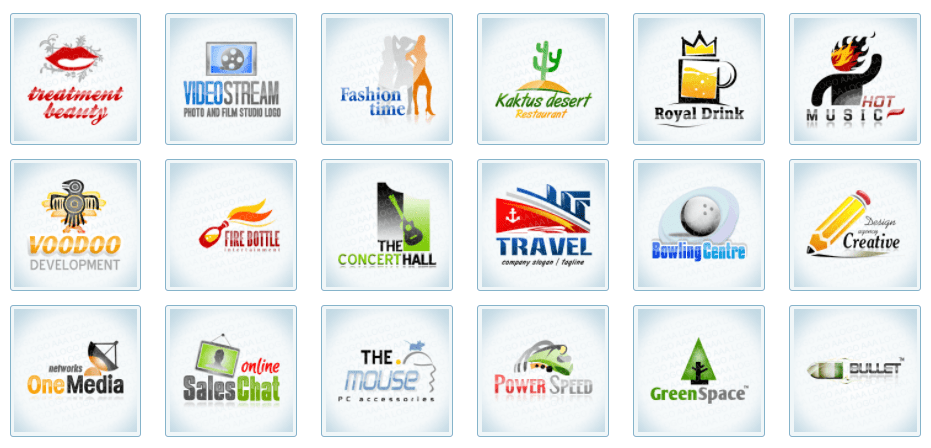
Step 5: Designing Brand Identity Applications
Once the logo is finalized, the next step is to design other brand identity applications such as business cards, packaging, promotional materials, and your website. Business cards: Business card designs should clearly present contact information while reflecting your brand's style. Product packaging: Packaging not only protects the product but also serves as an effective marketing tool. It needs to be eye-catching and accurately communicate your brand message. Marketing collateral: Materials such as brochures and flyers should also be designed consistently with your brand identity.Step 6: Building Brand Guidelines
Brand guidelines are a reference document that ensures all design elements are used consistently. Color specifications: Define your brand's primary and secondary color palettes, including exact color codes for use across all designs. Typography: Select primary and secondary fonts for your brand, along with rules on sizing and usage. Logo usage guidelines: Provide instructions on how to use the logo, including minimum size, clear space, and approved logo variations.Step 7: Implementation and Evaluation
 After completing the brand identity, the final step is to roll it out and evaluate its effectiveness.
Implementation: Apply the brand identity across all communication channels, from your website to social media and promotional materials.
Performance evaluation: Monitor customer feedback and assess whether the brand identity is achieving its intended goals. Make adjustments as needed to improve results.