The Difference Between Image Enhancement and Upscaling
Have you ever wondered about the difference between image enhancement and image upscaling? Sometimes, these two concepts can easily be confused. In this article, we will explore the meaning and purpose of both, and gain a clearer understanding of their techniques and applications.
Image Enhancement:
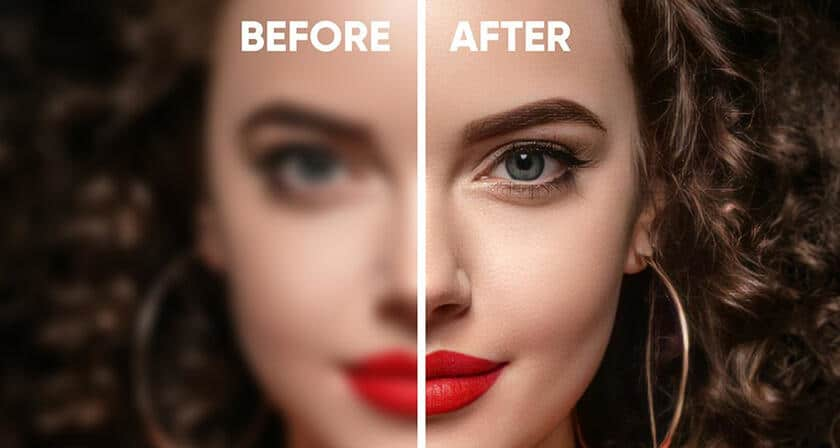 Image enhancement is the process of improving the original quality of an image without changing its dimensions. The goal is to make the image sharper, higher in contrast, and richer in detail. Image enhancement techniques typically focus on adjusting elements such as brightness, contrast, color, sharpness, and other factors to improve image quality while preserving the original size.
Image enhancement has a wide range of applications. In photography, it helps restore old photos, fix technical flaws, or create special effects. In technology, it provides clearer visibility in medical imaging, improving analysis and diagnostic capabilities. Additionally, image enhancement is used to improve the quality of everyday photos, creating sharper and more visually appealing images.
Image Upscaling:
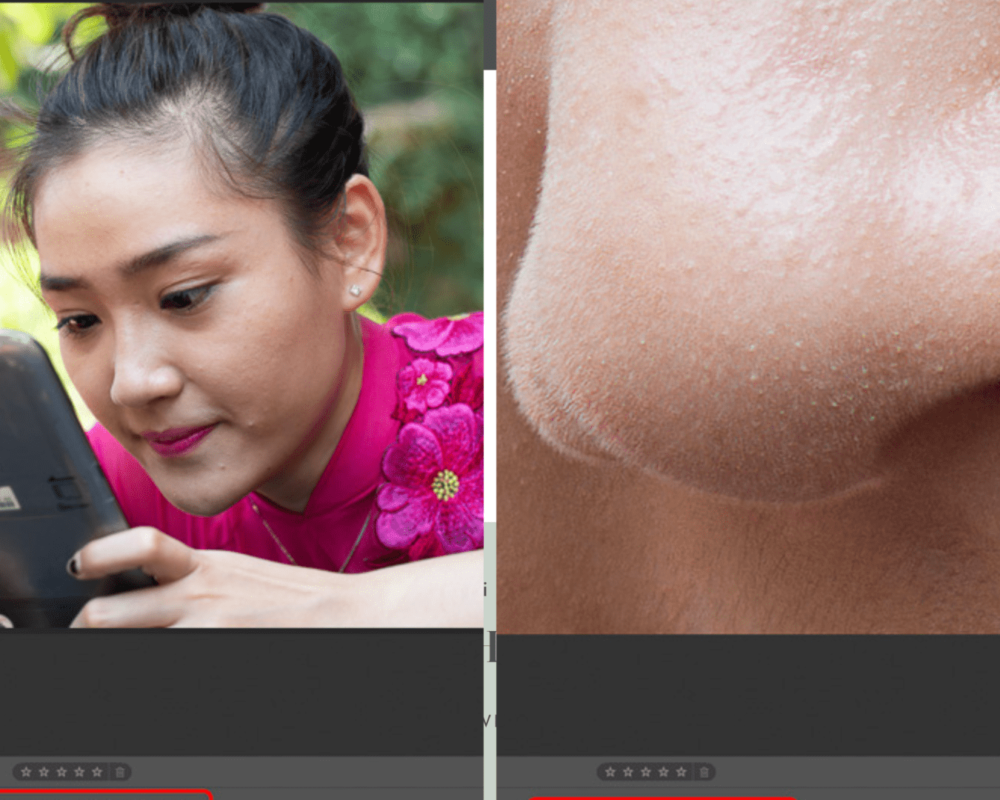 Image upscaling is the process of increasing the dimensions and detail of an original image. The goal is to add more information and increase the image's resolution, typically through the use of algorithms and specialized tools. Image upscaling techniques focus on predicting and generating additional details in the image, helping to enhance contrast and sharpness.
Image upscaling is commonly applied when an image needs to be enlarged, especially in printing, graphic design, and professional photography. Upscaling technologies, including algorithms and machine learning models, help produce more detailed images that meet strict technical requirements.