Food Stylist - The Art of Breathing Life Into Food
Have you ever been captivated by the photos in a restaurant's menu or on its social media pages? An eye-catching food photo that sparks cravings and compels you to visit and taste the flavors—that is undoubtedly the resounding success of a Food Stylist. Have you ever heard of a Food Stylist before? Let's read the article below to better understand this fascinating profession.
Food Stylist - From Concept to Reality
A Food Stylist is responsible for arranging and styling dishes so they look visually appealing and meet the client's exact requirements. In addition, they plan, ideate, and execute shoots to create the most captivating images for a restaurant or eatery's marketing across menus, websites, and social media.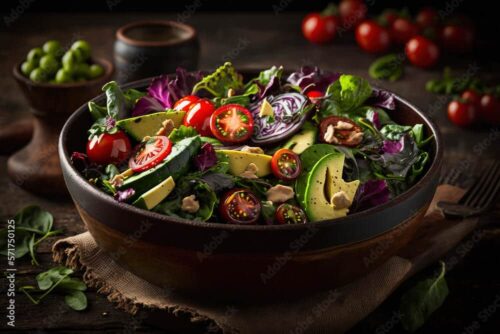 What is a Food Stylist
People are always drawn to visuals, and food imagery in particular makes them curious about the taste and deliciousness of a dish. That is precisely why restaurants and eateries are always so meticulous about their visual presentation.
Related information: 9 ways to take beautiful, professional, and artistic food photos with your phone
A Job Always in Ready Mode
With flexible hours, a Food Stylist's workplace is just as adaptable—it can be a kitchen, a studio, a garden, a corner of a room, or anywhere with space for creativity. They prepare everything from major elements like the background to minor details like plates, forks, and seasonings that may appear in the frame, always staying ready for every shoot.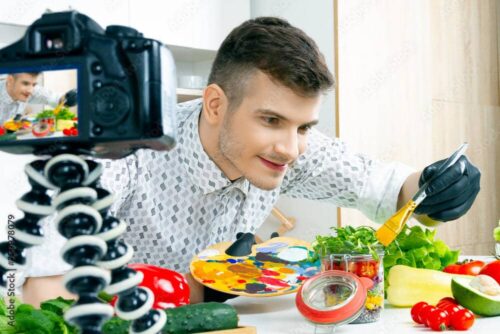 The work of a Food Stylist
The culinary world is vast; every region and country has countless different delicacies, each with its own methods of preparation, ingredient processing, cooking, and plating. It is truly admirable when Food Stylists have a thorough mastery of cuisine. However, there are also those who focus exclusively on certain types of dishes, specializing deeply in those areas.
When Food Stylists Make Everyone Say Wow
The reality can be quite surprising when you compare watching a Food Stylist at work in person with seeing the final product on menus, in magazines, or on social media. By understanding principles of physics, chemistry, and modeling, they use clever techniques to reduce budgets while making products look lifelike—or even more appetizing. You can watch the video below to see what happens when Food Stylists turn on "hack mode." https://www.youtube.com/watch?v=MflT0I7ZPCs Take a few examples from the video: you have probably seen beer foam dissipate within seconds of being poured into a glass. Food Stylists add dish soap before pouring the beer to boost foam retention. Then, right before the shoot begins, they spray a mist of water onto the glass. You can look at the image below to compare how a glass of beer looks with and without a Food Stylist's touch.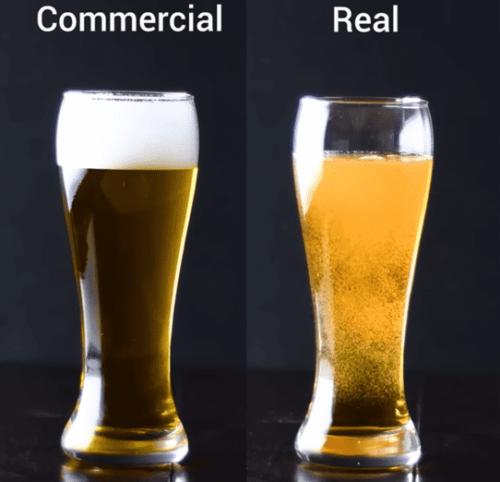 Comparison between with and without a food stylist
They are truly versatile, always finding ways to craft products that look just like the real thing. They love their craft, love food, and love art. In high-temperature environments, items like ice cream melt within a short time. To avoid wasting time and exceeding the production team's budget, a Food Stylist must think creatively and adapt to make the dish look flawless. As shown in the image below, the "ice cream" they styled is actually shaving cream—shaped to look identical to the real thing without melting, making it ideal for capturing stunning shots for the brand.
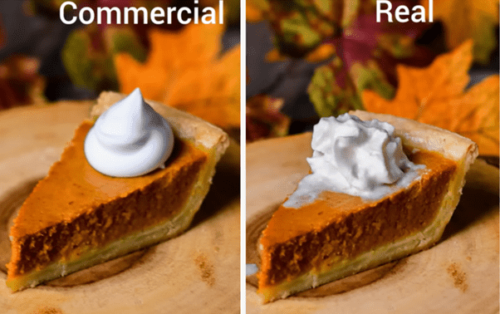 In photos vs. in reality
Growing Opportunities for Food Stylists
Once Food Stylists have gained experience and discovered their standout strengths, they often collaborate with production crews to deliver high-quality results that meet client expectations. Styling for advertising purposes—whether for restaurants, eateries, or major brands—requires them to adapt to a wide range of demands.Advertising & Packaging
This role demands high technical skill and meticulous attention to detail to make products look lifelike and natural. The goal remains highlighting colors and staying true to the brand's core message. Typically, job briefs or creative concepts are provided by the agency or client so stylists can easily visualize the direction. Because the images are used for advertising, visual quality must be top-notch down to the smallest detail.TVC & TV Show
This role requires precision and clear planning to avoid delaying the production crew's filming schedule. Above all, it involves carefully calculating food quantities—even for a short scene, any mistake means reshooting until the footage is perfect. They usually work closely with the director and screenwriter to understand every camera angle and shot.Editorial
Compared to the two roles above, this position focuses on concept development, ideation, and maximum creativity. While it offers a bit more breathing room, responsibility remains paramount, ensuring every creation accurately reflects the dish's true colors. The output must be high quality enough for print in magazines or books.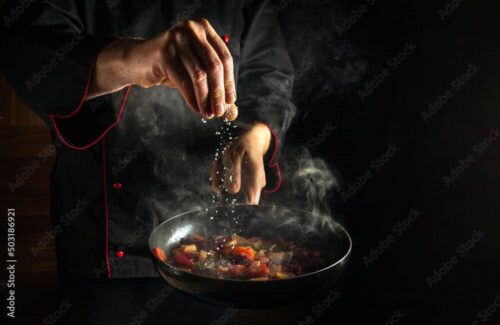 Types of Food Stylists