Hard-Earned Lessons for Building a Website
Before starting a website project, to avoid a failed outcome, you should carefully study these hard-earned lessons distilled from real-world experience!
**
1. Don't Overfocus on the Visual Interface** Of course, the interface plays a vital role in attracting customers and representing the face of both your website and your business, helping ensure strong aesthetics and layout. However, you should also recognize that when it comes to design aesthetics, ten people will have ten different opinions because it is quite subjective. A high-quality website must ensure two key elements: visual appeal and a logical, well-structured layout. Aesthetics are subjective—ask nine people and you will get ten opinions. Therefore, you shouldn't overfocus on them or try to please everyone. What matters most is creating a clean, simple, and intuitive layout that highlights your value and directly addresses visitors' needs. When building a website, avoid using too many heavy images or effects, as they slow down page load times (something customers strongly dislike). Moreover, looking good does not mean being flashy, so avoid overusing overly bright or clashing colors.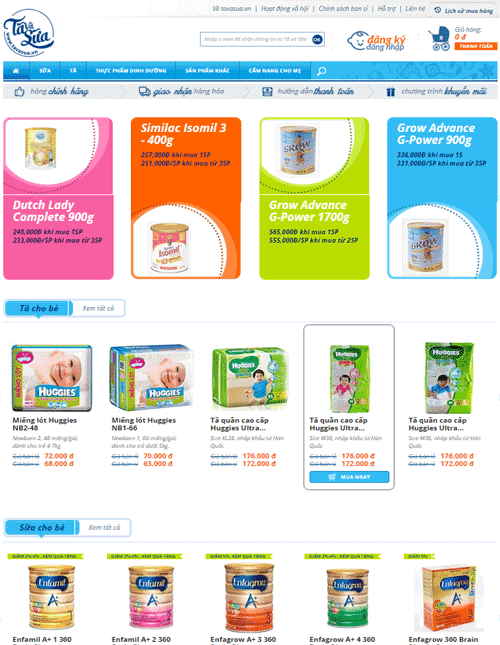
**
2. Plan Features, Data Flow Layout, Social Integration, and Website Budget** As mentioned, page layout is the decisive factor. Therefore, when building a website, you need to thoroughly analyze your website's purpose, customer psychology, and business goals to determine the necessary features and map out the data flow layout before designing the corresponding interface. During the feature development stage, prioritize the website's scalability and flexibility: can your team (as future admins) easily add new categories or news articles, and is it easy to upgrade or add new features later? If you do not plan carefully at this stage, future needs—such as adding or modifying categories or expanding functionality—will become very difficult, and worst of all, may break the original layout and force a complete rebuild. Many clients think that with a limited budget, they only need a temporary website and will "move to a bigger, better home" once they have more resources. In reality, this is a serious misconception that hurts your future SEO. After operating for a while, Google will have already indexed and recognized your site; starting over from scratch wastes all of that prior effort. That is why you should invest wisely and aim to build a solid, SEO-friendly website right from the start.3. Choosing a Domain Name
If you want to run an effective online business, I strongly advise against using free domains or choosing a domain name at random. Free domains carry a high risk of being lost or hijacked, especially after you have built some reputation, steady traffic, and strong growth momentum. Your domain name has a major impact on brand promotion, particularly in SEO and broader internet marketing, so do not make the mistake of picking one carelessly. Choose a domain name tied to your products, services, or brand name—and make sure it is short, concise, and easy to remember.