Logo Design Guide: A Step-by-Step Approach to Creating a Unique and Distinctive Logo
This article provides a detailed logo design guide, covering everything from initial research and ideation to design and final execution. In addition, it focuses on creating a unique and distinctive logo by applying core design principles, leveraging key design elements, and utilizing supporting tools and software. <hr />
Part 1: The Logo Design Process
1.1. Research and Analysis:
- Understand the market, industry, and target audience. - Analyze competitors and identify the brand's distinctive characteristics.1.2. Ideation and Design:
- Based on your research, generate initial concepts through simple sketches and drawings. - Use design software such as Adobe Illustrator, CorelDRAW, or Canva to create the first version of the logo.1.3. Refinement and Improvement:
- Evaluate the concepts and select the most suitable directions to develop the next iteration. - Refine the imagery, colors, graphics, and typography to produce the final logo.Part 2: Logo Design Principles
2.1. Simplicity:
- A logo should be designed simply so that it is easy to recognize and remember. - Eliminate unnecessary details and create a clean, clear visual.2.2. Recognition:
- The logo should reflect the brand's identity and core values. - Create a unique logo that stands out easily among competitors.2.3. Alignment with Objectives:
- Ensure the logo aligns with the brand's goals and messaging. - Use design elements to express brand value and build a connection with target customers.2.4. Versatility:
- Create a logo that works seamlessly across multiple platforms and media channels. - The logo should adapt to different sizes and formats while maintaining its distinctive character and recognizability.Part 3: Creating a Unique and Distinctive Logo
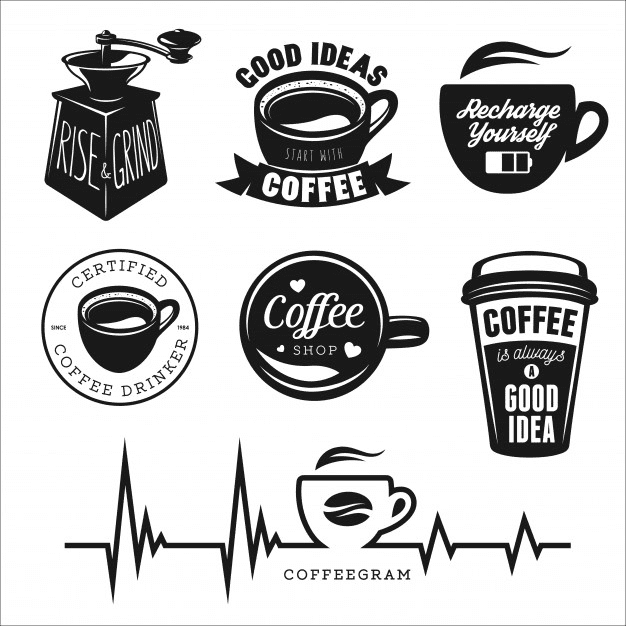
3.1. Market and Competitor Research:
- Study the industry and target audience to create a relevant and cohesive logo. - Evaluate competitor logos to establish differentiation and originality.3.2. Utilizing Design Elements:
- Use imagery, color, graphics, and typography to create a unique and emotionally resonant logo. - Combine design elements thoughtfully to form a distinctive and memorable visual.3.3. Brand Expression:
- Identify your brand's unique attributes and incorporate them into the logo design. - Create a logo that communicates the brand's values and vision.Part 4: Tools and Software in the Logo Design Guide
4.1. Adobe Illustrator:
 Ai - Logo design guide
- Use this tool to create professional logos with flexible and versatile features.
- Explore essential tools and features to get started with logo design.
4.2. CorelDRAW:
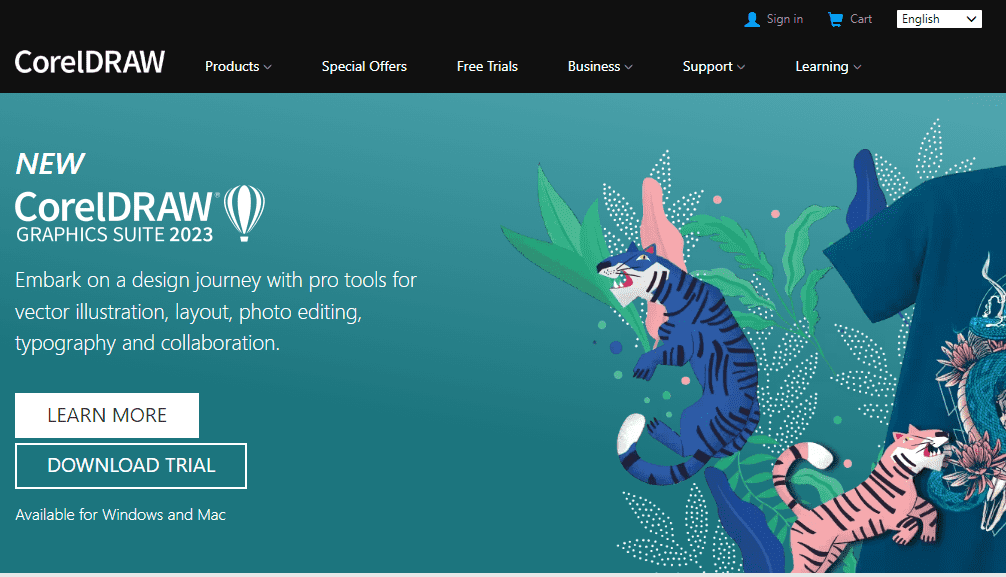 - Offers professional logo design tools with an intuitive interface.
- Learn how to create unique and creative logos using CorelDRAW.
4.3. Canva:
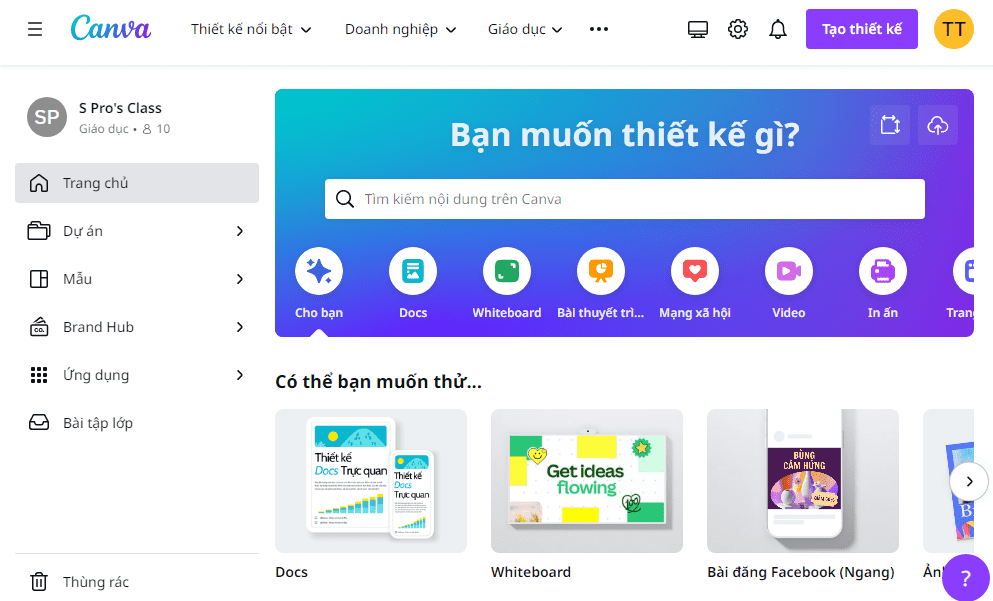 - An easy-to-use online tool for logo design.
- Take advantage of ready-made logo templates and customize them to your liking.
<hr />
With this logo design guide, you can follow a professional process and apply essential logo design principles. By combining these steps and principles with the right supporting tools and software, you can create a unique, distinctive logo tailored to your brand. Explore the world of logo design and unlock your creative potential.
Learn more: https://jaybranding.com/anh-profile-ca-nhan-cong-ty-chuyen-nghiep/