The Meaning of Colors in Brand Design
Color is not merely a part of design; it is also a crucial element in brand building. In today's competitive world, choosing the right colors can make a distinct difference for your brand. This article will explore the meaning of colors in brand design and how they can influence your customers' perception of your products and services.
1. Why Is Color Important in Brand Design?
Color has the ability to evoke emotions and create a strong impression. According to many psychological studies, around 90% of snap judgments about products can be based on color alone. Color not only influences emotions but can also impact customers' purchasing decisions. The right color can create a deep connection between customers and a brand.1.1. Making a First Impression
Color is the first element customers notice when they see a brand. A striking color can capture attention and create a positive impression from the very first interaction. This is especially important in the online environment, where customers' attention spans are often very short.1.2. Evoking Emotions
Every color carries its own meaning and emotion. For example, red often evokes passion and energy, while blue brings a sense of calm and trust. Using colors skillfully can help a brand convey the exact message it wants to deliver to its customers.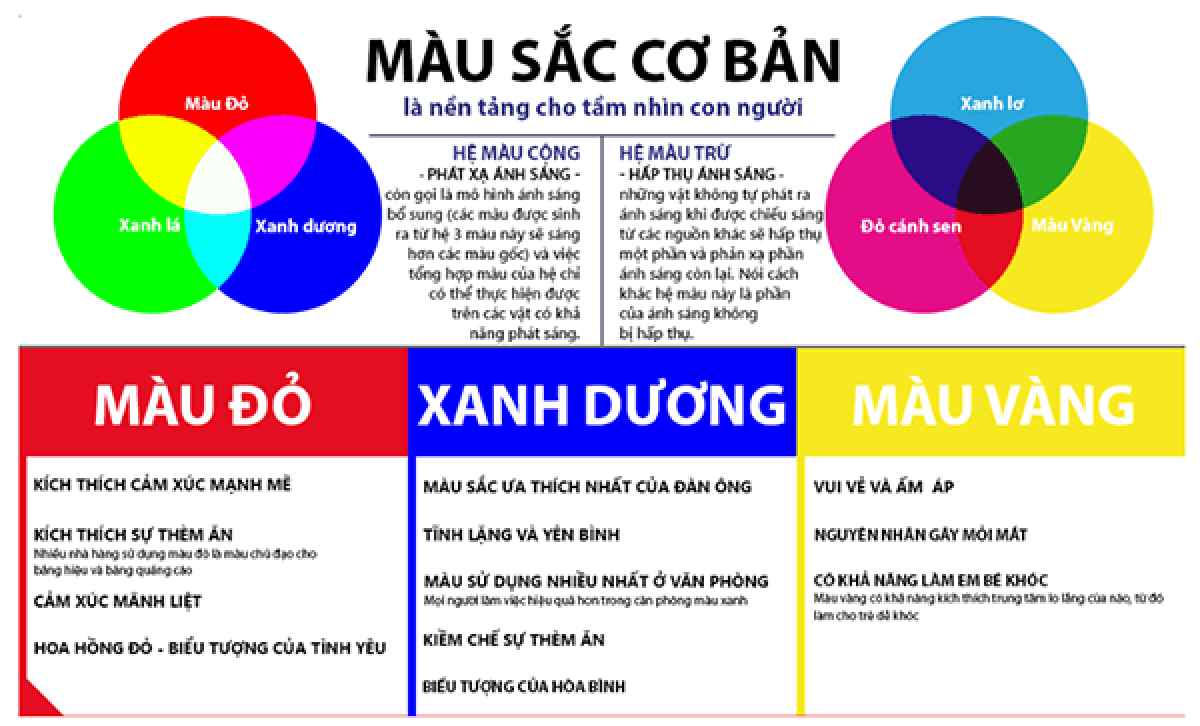
2. The Meaning of Popular Colors in Brand Design
2.1. Red
Red is often associated with power, passion, and love. It has the ability to stimulate strong emotions, create a sense of urgency, and encourage action. Many brands such as Coca-Cola and Red Bull use red to express energy and youthfulness.2.2. Blue
Blue often symbolizes trust, safety, and professionalism. It is a popular color among financial and technology brands such as IBM and Facebook. Blue helps create a sense of calm and stability, making customers feel secure when using a product.2.3. Yellow
Yellow is often considered the color of optimism, joy, and energy. It has the ability to attract attention and create positive feelings. Many brands like McDonald's use yellow to create a friendly and cheerful atmosphere.2.4. Green
Green is often associated with nature, freshness, and health. It is a popular color for organic food brands and healthcare products. Green helps create a sense of closeness to nature and encourages a healthy lifestyle.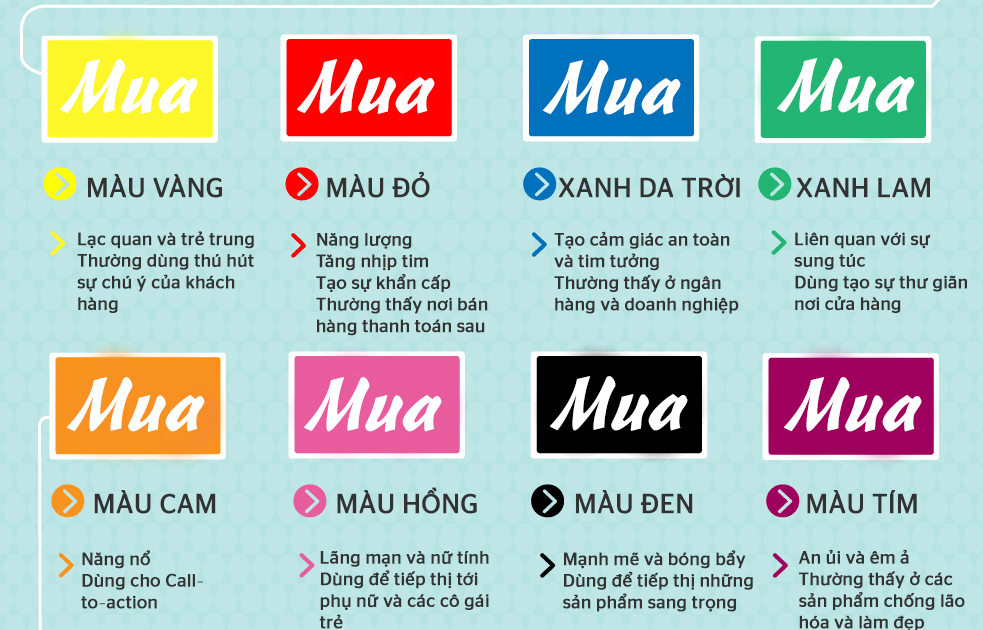
2.5. Purple
Purple is often associated with luxury, power, and creativity. Many high-end brands such as Chanel and Crown Royal use purple to convey nobility and uniqueness. Purple is also frequently used in products related to creativity and the arts.2.6. Orange
Orange is a combination of red and yellow, bringing a sense of energy, joy, and creativity. It is often used by brands looking to express youthfulness and modernity. Brands like Fanta use orange to create an energetic and playful image.3. How to Choose the Right Colors for Brand Design
3.1. Understand Your Target Audience
Before choosing colors for your brand, you need to clearly understand the target audience you want to reach. Different customer groups may have different preferences and emotional responses to colors. Market research and customer behavior analysis will help you select the most suitable colors.3.2. Define Your Brand's Core Values
Colors should reflect the core values and message your brand wants to convey. If your brand focuses on luxury and high-end quality, choose colors such as black, gold, or purple. Conversely, if you want to express friendliness and approachability, opt for bright colors like green or orange.3.3. Test and Evaluate
After selecting your colors, test them across different designs and gather feedback from customers. This will help you evaluate whether the chosen colors are appropriate and whether they create a positive impression.