POPULAR PHOTO COMPOSITIONS THAT ASPIRING PHOTOGRAPHERS SHOULD NOT MISS
Photo composition plays a vital role in capturing a moment in life, conveying an idea or message to viewers, and creating an enjoyable experience when viewing a photograph.

What is photo composition?
Photo composition is the arrangement of elements and components within a photograph to create an aesthetically pleasing frame. These elements and components can include subjects such as people, objects, and the environment; colors, light, and shadows; as well as lines and patterns that create an overall mood for the image.The role of composition in photography
Photo composition plays a crucial role in creating a beautiful and meaningful photograph. It helps arrange visual elements and negative space within the frame, establishing balance and directing the viewer's attention to the main subject or key element. At the same time, composition creates a sense of proportion, harmony, and visual appeal. Without proper composition, a photograph can become cluttered and confusing. Visual elements may appear disorganized, and negative space might take up too much of the frame, negatively impacting the overall aesthetics of the image. If you want to create stunning and meaningful photographs, pay close attention to composition by arranging visual elements logically and harmoniously. Good composition helps viewers focus on the main subject or key element, leaving a stronger and more lasting impression. You may be interested in: 10 super beautiful portrait photography tips for womenPopular photo compositions
1. Rule of Thirds
The Rule of Thirds is one of the most popular framing guidelines in photography. It divides the frame into 9 equal parts using two horizontal and two vertical lines, placing the subject at the intersections of these lines to create balance and harmony.
2. Minimalist composition
Minimalist composition is a popular style in photography that utilizes generous negative space and keeps visual elements to a minimum to create a simple, clean image. In minimalist composition, the main goal is to eliminate all unnecessary elements and retain only what matters most to produce a striking and profound photograph.
3. Symmetrical composition
When using symmetrical composition, visual elements are placed symmetrically on both sides of the frame, creating balance and harmony within the image. Placing the main subject or key element in the center with matching elements surrounding it is often used to achieve a clean, straightforward shot. Symmetrical composition is commonly used in still photography, but it can also be applied to motion photography or graphic design.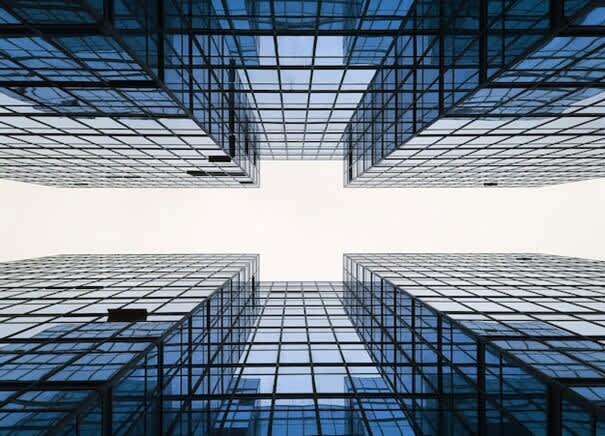
4. Centered composition
The main subject or key element of the photo is placed right in the center of the frame, concentrating all visual power there. Centered composition is frequently used in portrait photography, where placing the model in the center effectively captures the viewer's attention. Positioning the key element centrally helps establish balance, enhance aesthetics, and draw immediate focus.
5. Dominant composition
When using dominant composition, a single visual element is enlarged to occupy a much greater area than other elements in the frame in order to command the viewer's attention. Dominant composition is often used to create a powerful effect or emphasize an important subject. However, keep in mind that dominant composition can easily throw off the balance of a photo if not applied carefully.