The Power of Infographics in Delivering Messages
In today's digital age, delivering a message effectively is crucial. One of the most powerful tools to achieve this is infographics. Infographics not only simplify complex information but also capture viewers' attention. In this article, we will explore the power of infographics in communicating messages and the key elements of effective infographic design.
1. What Are Infographics?
Infographics, or information graphics, are visual representations of information using images, charts, and concise text. The goal of infographics is to help viewers quickly and visually absorb and understand information. In today's world, where information is abundant and user attention spans are limited, infographics have become an essential tool for effective communication. They make content more vivid and easier to digest. Infographics are widely used across various fields such as marketing, education, and media. In marketing, they capture attention and convey brand messages in an engaging way. In education, they help students grasp complex concepts.2. Why Are Infographics Important?
2.1. Enhancing Information Retention
According to research, humans process visual information 60,000 times faster than text. This means that when information is presented visually, viewers can absorb and remember it much more easily. Infographics transform dry data into vivid, easy-to-understand visuals.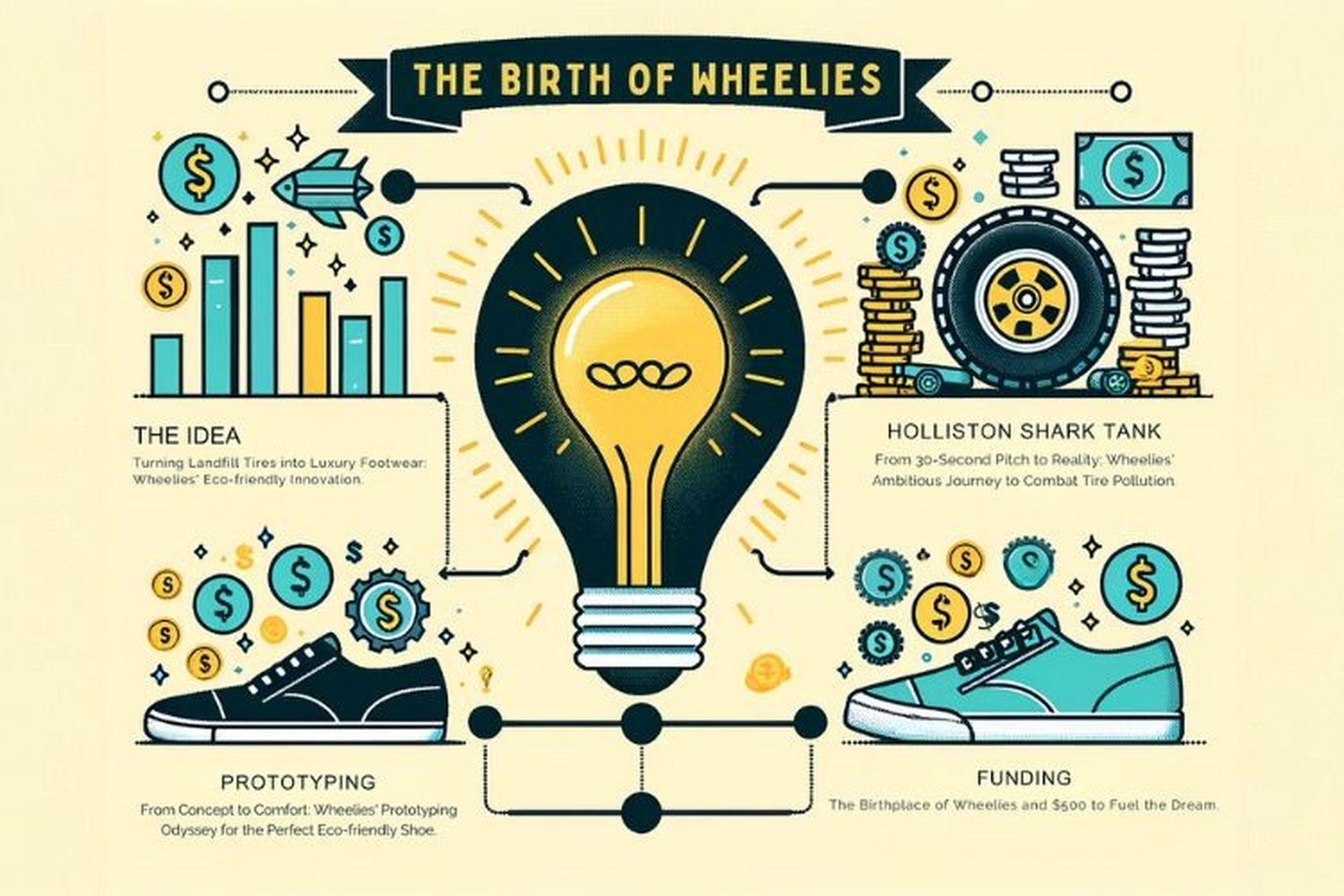
2.2. Reducing Time to Comprehension
In today's busy world, time is money. Infographics allow viewers to grasp information in just a few seconds without having to read through long paragraphs. This is especially useful in marketing campaigns, where capturing immediate attention is critical.2.3. Boosting Engagement
Infographics are not just a tool for delivering information; they are also an interactive medium. Creative designs can encourage viewers to share, comment, and discuss the content. This not only expands your reach but also builds a community around your brand or message.3. Key Elements in Infographic Design
3.1. Quality Content
Content is the most important element of any infographic. To create an effective infographic, you need accurate, useful, and valuable information for your audience. Make sure your content is thoroughly researched and backed by credible sources.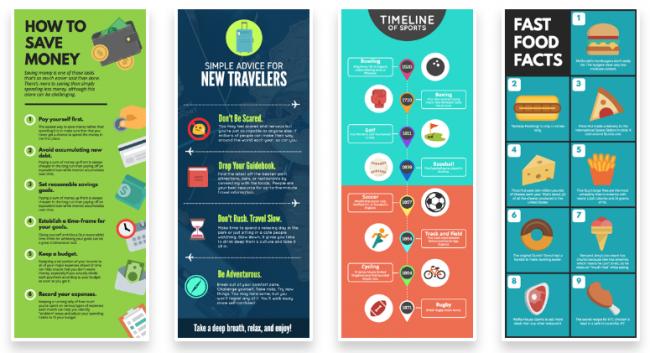
3.2. Compelling Design
An attractive design grabs viewers' attention at first glance. Using harmonious colors, readable fonts, and relevant illustrations will make your infographics stand out. Remember, good design is not just about aesthetics—it must also ensure clarity and logical flow.3.3. Clear Structure
The structure of an infographic needs to be clear and logical. Viewers should be able to follow the information smoothly from start to finish without getting lost. Use subheadings, lists, and charts to break information into smaller, more digestible sections.3.4. Shareability and Accessibility
Infographics should be easy to share and access across multiple platforms. Ensure that your format is optimized for social media channels, websites, and email. This will help maximize reach and audience engagement.4. Applications of Infographics Across Different Fields
4.1. Marketing
In marketing, infographics are often used to present statistics, market analyses, or product usage guides. They help marketers deliver their messages more powerfully and persuasively.4.2. Education
In education, infographics can be used to explain complex concepts, such as scientific processes or historical timelines. They help students understand and retain information more easily.4.3. Media
 Infographics are also a valuable tool in the media industry. They help journalists and content creators present information in a vivid and engaging way, attracting more readers.