SALES KIT - HELPING BUSINESSES CLOSE DEALS
A sales kit includes a collection of materials, products, software, or equipment used to support the sales process or promote products and services. Depending on each individual's or company's specific business goals, a "sales kit" can be customized to meet different needs.
What is a Sales Kit?
It is a business support toolkit consisting of documents, products, software, and equipment used to promote products and services or boost sales revenue.
The documents in a "sales kit" may include business cards, brochures, catalogues, sponsorship agreements, price lists, company profiles, and other office materials. In addition, it may include sales-support software and devices such as inventory management software, POS machines, and other payment terminals.
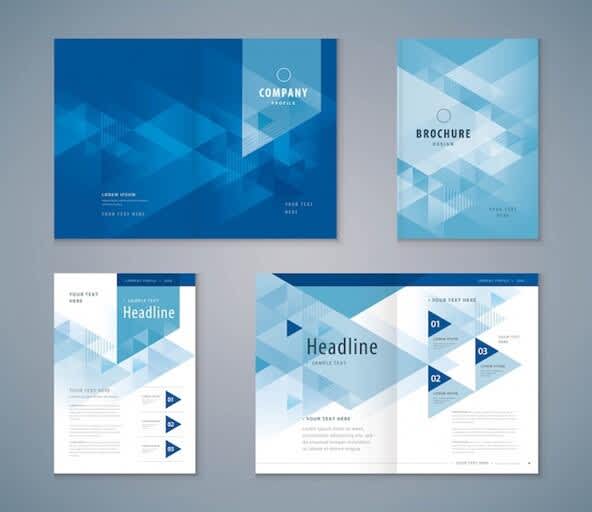 A sales kit helps businesses reduce time and costs in business development, improve marketing effectiveness, and streamline sales management. However, a sales kit is typically tailored to each business and its specific objectives, and the software or tools included can vary depending on the type of business.
A sales kit typically includes the following elements:
1. Product Introduction Materials
- Business Cards
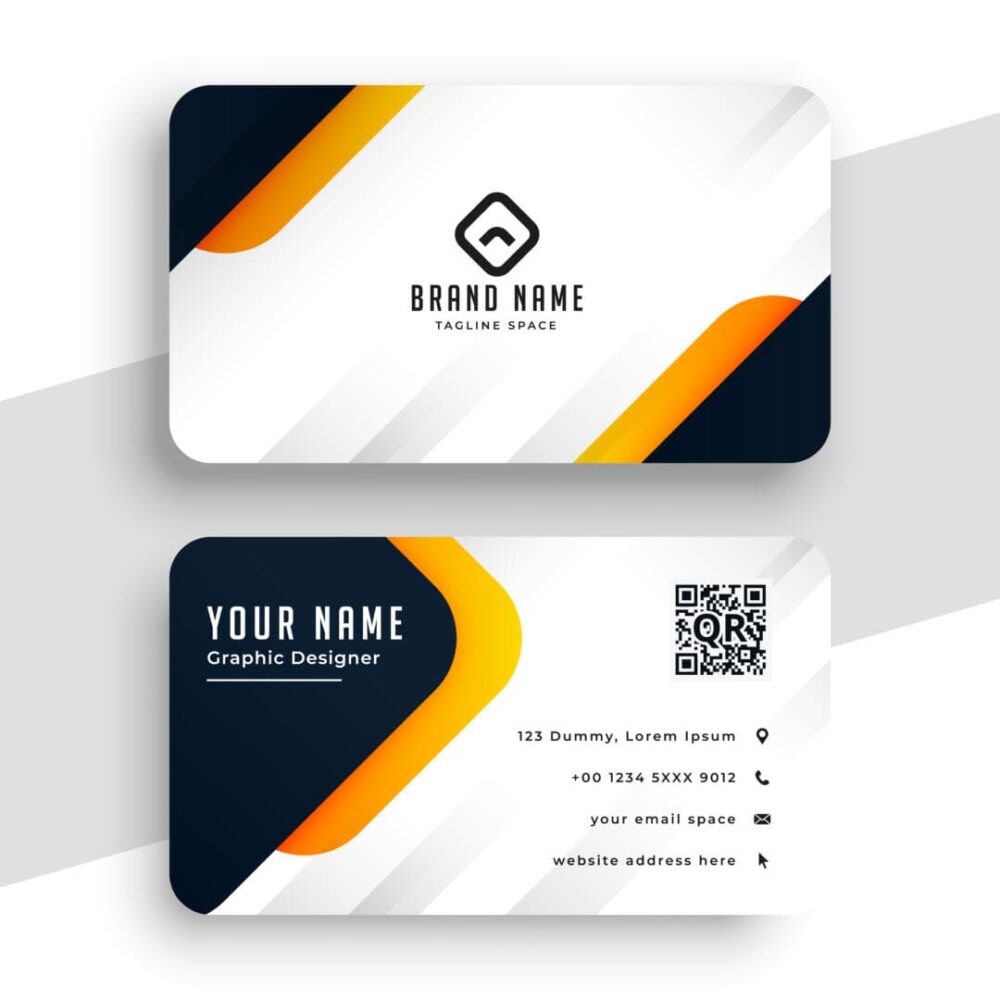
Used to introduce yourself or your company at meetings, seminars, or other business occasions. Business cards usually contain basic personal or corporate details, including name, title, address, phone number, email address, and other information depending on the purpose of use.
 - Brochure
A type of promotional material, which can be produced as a single-page or multi-page booklet, used to communicate information about a company's or organization's products or services. It contains detailed information, product showcase images, pricing details, and contact information so customers can easily reach out. Brochures are often distributed at exhibitions, marketing events, or sent directly to customers.
 - Catalogue
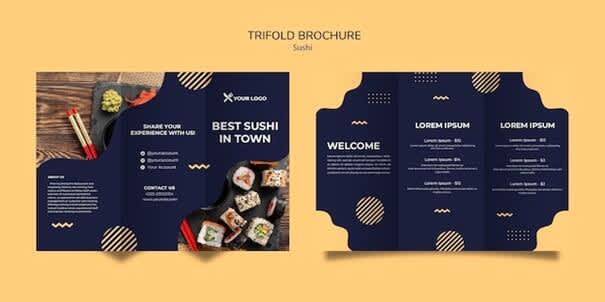
A promotional publication used to showcase a company's or organization's products or services, containing detailed specifications, images, and descriptions. Catalogues are commonly available at trade shows, product launches, or sent directly to customers and relevant partners.
- Company Profile
A company profile includes information about business sectors, company name and contact details, legal documents, financial records, staff directories, and other key materials. It is used to compile all information related to company operations, provide authorized stakeholders with up-to-date insights on the business and its status, and help the company maintain essential records and comply with legal regulations.
- Sponsorship Agreement
A sponsorship agreement is a contract between two parties in which one party commits to providing financial resources to the other to carry out a project or business activity. The sponsor often requires the recipient to meet certain conditions, such as maintaining a healthy financial standing, ensuring repayment capability, or completing the designated project.
- Price List
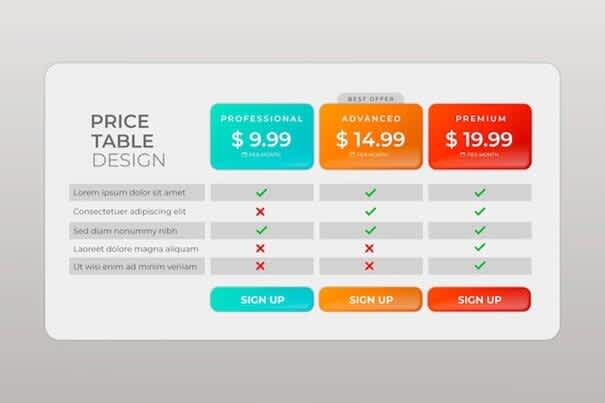
A price list is an essential business document containing pricing information for the products or services offered by a company. It is typically used to present offerings to customers, providing details on prices, units of measurement, product or service scope, and promotional policies.
 - Other office materials: Flyers, invitation cards, ballots, internal dossiers, etc.
You may be interested in: 6 yếu tố về màu sắc khi thiết kế brochure
2. Sales Support Software and Equipment
- Inventory Management Software
Software designed to help organizations and businesses manage one or multiple warehouses easily and efficiently. It provides inventory management features such as tracking stock quantities, managing product locations, recording inbound and outbound transactions, processing purchase orders, and generating inventory statistics. Inventory management software is widely used in retail, wholesale, manufacturing, and logistics.
- POS Machine
A POS (Point of Sale) machine is a computerized terminal used to process payment transactions in a business or store. POS machines are typically connected to payment devices such as credit or debit card readers to allow customers to pay by card. Additionally, a POS system enables sales staff to enter quantities, prices, and other product details, helping manage inventory and calculate sales revenue. POS machines are commonly used in retail, restaurants, hotels, and other service businesses.
- Other payment devices: Mobile POS machines, mobile payment terminals, online payment gateways, QR code scanners, e-wallets.
3. Product Samples:
Product samples are different versions or specimens of a product provided for customers to choose from. They are designed to meet diverse customer needs and preferences while offering more choices. Product samples are widely used in retail, fashion, electronics, and many other industries.
4. Ribbons and Banners
Ribbons and banners are both types of advertisements used in marketing campaigns to attract customers, though they differ in shape and size.
A ribbon is an ad typically placed at the top or bottom of a website. It is smaller than a standard banner and is usually used to display concise promotional messages, special offers, or a call-to-action.
A banner is a larger advertisement on a website. It is placed in a prominent position and contains more detailed information about a product or service. Banners are designed to capture customer attention and often use imagery, graphics, and colors to create an engaging and professional design.
5. Product Packaging:
Include packaging samples in your sales kit so customers can see the sophistication and aesthetics of your products. They are designed and produced in various sizes, shapes, colors, and materials to suit each product and intended use. Packaging not only serves a protective role but also plays a vital part in promoting and distributing products to consumers.
Information on Sales Kit Templates
Sales kit templates can be found online on the websites of design, printing, and advertising agencies. JAYbranding provides comprehensive design services and support for businesses.
Additionally, product and service companies often have their own sales kit templates that you can reference and customize to fit your business needs. However, to ensure your sales kit is effective and well-suited, it is best to work with reputable and experienced partners for proper consultation and support.
Sales Kit Design Process
Step 1: Define goals and target audience
-
Identify the objectives of the sales kit and the target customer segment you want to reach.
Step 2: Concept design
-
Research customer preferences and build a suitable brand concept.
Step 3: Determine required items
-
Identify the necessary documents and collateral such as brochures, flyers, business cards, name cards, promotional gifts, etc.
Step 4: Select materials and design format
-
Choose materials that convey professionalism and accurately communicate your message.
Step 5: Design execution
-
Carry out the design process using professional design software to ensure accuracy and high quality.
Step 6: Review and revise
-
Evaluate the design drafts, customize, and refine them to ensure quality and meet the sales kit's objectives.
Step 7: Printing and production
-
Once the design is finalized, proceed with printing and producing the sales kit in the required quantity.
Conclusion
Related information:
POSM thu hút sự chú ý cho các chiến dịch Marketing
Thiết kế website giới thiệu sản phẩm